Shawarma is one of the most iconic and widely loved Middle Eastern street foods. Known for its bold aroma, juicy meat, and irresistible seasoning, shawarma has traveled far beyond its regional roots to become a worldwide favorite. From bustling food stalls to modern kitchens, shawarma continues to win hearts with its rich flavor and satisfying texture.
At its core, shawarma is marinated meat that is slowly cooked, thinly sliced, and served with bread, sauces, and fresh accompaniments. While traditionally cooked on a vertical rotating spit, the essence of shawarma lies in its spice blend and careful preparation rather than the cooking equipment itself. This makes it possible to enjoy authentic-tasting shawarma almost anywhere.
What Is Shawarma?
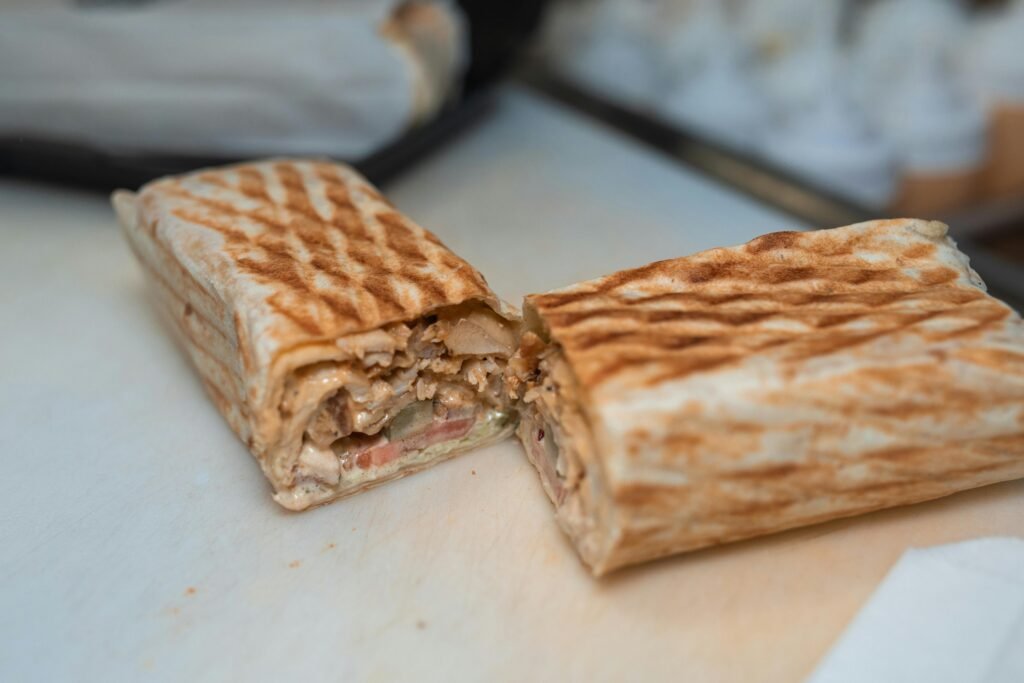
Shawarma is a Middle Eastern dish made with thin cuts of marinated meat—most commonly chicken, beef, or lamb—that are stacked and slow-roasted. As the meat cooks, it becomes tender and deeply flavorful, developing a lightly crisp exterior while remaining juicy inside. The cooked meat is shaved off in thin slices and typically served wrapped in flatbread or pita.
The word “shawarma” comes from a Turkish term meaning “turning,” referring to the rotating spit used in traditional preparation. Over time, shawarma spread across the Levant, Arabian Peninsula, and beyond, becoming a staple food enjoyed at all hours of the day.
Ingredients That Define Chicken Shawarma
Chicken
Boneless chicken thighs are commonly used because they remain juicy and flavorful after marination and cooking. Breast meat is also used in some variations, but thighs are preferred for traditional texture.
Yogurt and Acidic Elements
Yogurt, lemon juice, or vinegar helps tenderize the chicken and allows the spices to penetrate deeply. This step is essential for achieving authentic shawarma flavor.
Spices and Seasonings
Shawarma seasoning is warm, earthy, and aromatic. Common spices include cumin, coriander, paprika, turmeric, cinnamon, and black pepper. Garlic adds depth, while salt balances the blend.
Olive Oil
Olive oil helps carry the spices and keeps the chicken moist during cooking.
Flavor Profile and Texture
Shawarma is bold without being overwhelming. The spices are warm and fragrant rather than spicy, creating layers of flavor that develop during marination and cooking. The exterior of the chicken becomes lightly caramelized, while the inside stays tender and juicy.
Each bite delivers a balance of savory, tangy, and aromatic notes, especially when paired with sauces and fresh vegetables.
Cultural Importance of Shawarma
Shawarma is more than fast food in Middle Eastern culture. It is a daily comfort food, often eaten after work, during lunch breaks, or late at night. Shawarma shops are social spaces where people gather, eat, and connect.
In many cities, shawarma stands are landmarks, known for their unique spice blends and signature sauces. The dish represents accessibility, tradition, and community—simple food made exceptionally well.
How Shawarma Is Traditionally Served
Shawarma is most commonly served as a wrap. Thin slices of chicken are placed inside warm flatbread or pita and topped with a combination of sauces and vegetables.
Common accompaniments include:
-
Garlic sauce (toum)
-
Tahini sauce
-
Pickles and pickled turnips
-
Tomatoes, cucumbers, and lettuce
-
Fries inside the wrap (popular in many regions)
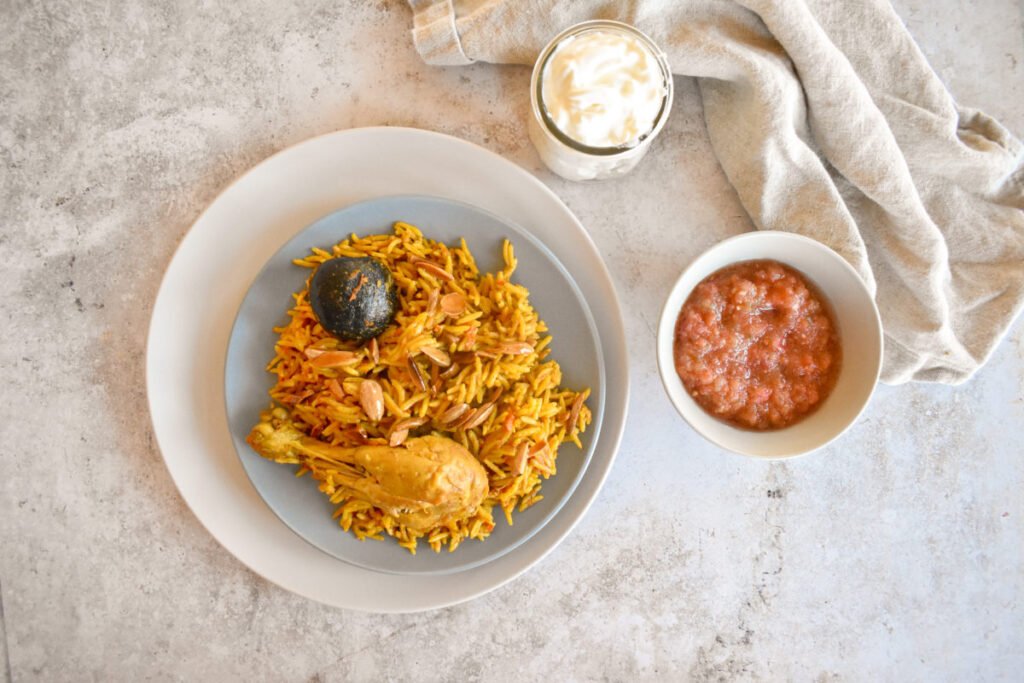
Shawarma can also be served as a platter with rice, salad, and bread, making it suitable for sit-down meals as well as street-style eating.
Variations Across Regions
While chicken shawarma is the most popular version globally, beef and lamb shawarma remain traditional favorites in many areas. Some regions favor heavier spice blends, while others keep the seasoning lighter and more citrus-forward.
Modern variations include shawarma bowls, shawarma sandwiches, and fusion versions served with different breads and sauces. Despite these changes, the heart of shawarma remains its marinated meat and slow cooking method.
Why Shawarma Is Loved Worldwide
Shawarma appeals to a wide audience because it is flavorful, filling, and customizable. It can be eaten casually on the go or served as a complete meal. Its balanced seasoning makes it approachable even for those new to Middle Eastern cuisine.
The combination of tender meat, warm bread, creamy sauces, and crisp vegetables creates a satisfying contrast of textures and flavors that keeps people coming back.
A Dish That Continues to Evolve
Shawarma has proven its timeless appeal by adapting to new cultures while staying true to its origins. Whether enjoyed from a street vendor or prepared at home, it delivers comfort, flavor, and tradition in every bite.
As global interest in Middle Eastern food continues to grow, shawarma remains one of its most recognizable and cherished ambassadors.
Frequently Asked Questions (FAQs)
What is shawarma made of?
Shawarma is made from marinated chicken, beef, or lamb cooked slowly and sliced thin, then served with bread, sauces, and vegetables.
Which country does shawarma come from?
Shawarma originated in the Middle East, particularly the Levant region, and is widely popular across Arab countries.
Is shawarma spicy?
Shawarma is not usually spicy. It is seasoned with warm, aromatic spices rather than hot chilies.
What is the difference between shawarma and gyro?
Shawarma uses Middle Eastern spices and marinades, while gyro is Greek and typically seasoned differently, often with herbs like oregano.
What sauce is traditionally served with shawarma?
Garlic sauce (toum) and tahini sauce are the most traditional accompaniments for shawarma.
Is shawarma eaten hot or cold?
Shawarma is served hot, freshly sliced from the cooked meat.
Can shawarma be served without bread?
Yes, shawarma is often served as a platter with rice or salad instead of bread.
Why is shawarma so flavorful?
The deep flavor comes from marinating the meat with spices, yogurt or acid, and slow cooking, which allows the seasoning to fully develop.