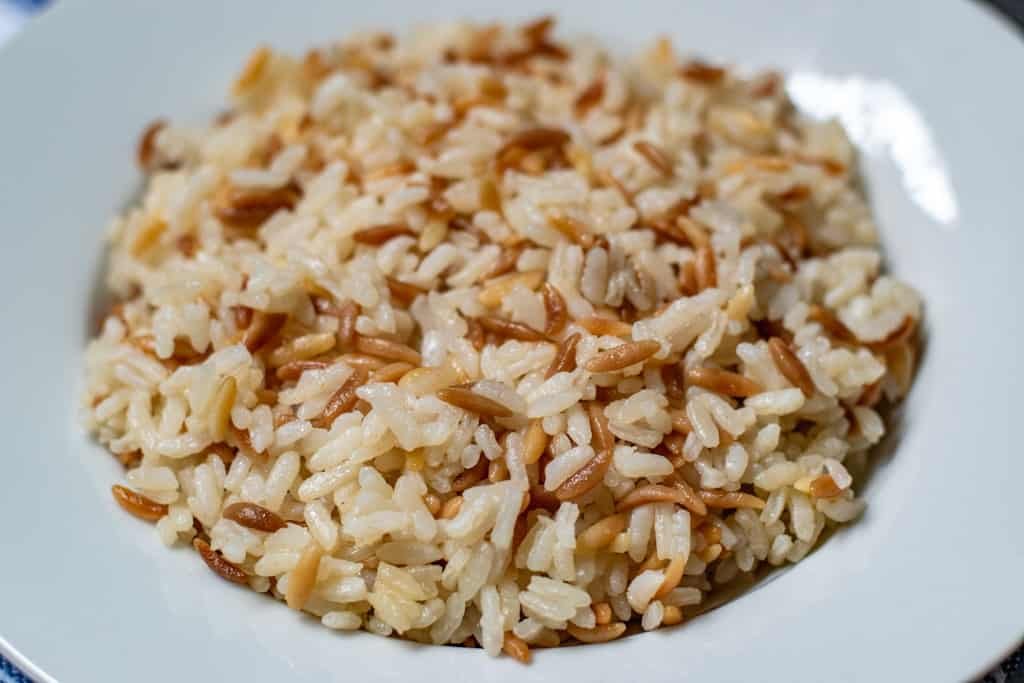
If there is one dish that quietly anchors countless meals across the world, it’s Pilav, also known as Pilaf. Simple at first glance, a well-made pilav is all about balance—separate grains, gentle aroma, and a comforting taste that pairs beautifully with almost any main dish.
This traditional pilav recipe is inspired by Turkish and Middle Eastern home cooking, where rice is treated with care and patience. The result is light, fluffy rice with rich flavor, never sticky or bland.
What Is Pilav (Pilaf)?
Pilav is a rice dish cooked in seasoned broth after the grains are lightly sautéed in butter or oil. Unlike plain boiled rice, pilav absorbs flavor during cooking, giving it a richer taste and a delicate, aromatic texture.
Pilaf variations exist across Turkey, the Middle East, Central Asia, and the Mediterranean, making it one of the most versatile and widely loved rice dishes in the world.
Ingredients for Classic Pilav
Main Ingredients
-
1 cup long-grain rice (baldo or basmati works well)
-
1½ cups hot water or chicken broth
-
2 tablespoons butter or olive oil
-
1/2 teaspoon salt
Optional Add-Ins
-
1 tablespoon vermicelli or orzo (for Turkish-style pilav)
-
A pinch of black pepper
-
Chickpeas, peas, or carrots for variation
How to Make Pilav Step by Step
1. Rinse the Rice
Wash the rice under cold water until the water runs clear. This removes excess starch and helps keep the grains separate. Drain well.
2. Sauté for Flavor
Melt butter (or heat olive oil) in a saucepan over medium heat. If using vermicelli or orzo, sauté until lightly golden. Add the rice and stir gently for 2–3 minutes until the grains are glossy.
3. Add Liquid and Season
Pour in hot water or broth and add salt. Stir once, then bring to a gentle boil.
4. Cook and Steam
Reduce heat to low, cover, and cook for about 12–15 minutes, or until the liquid is absorbed. Do not stir during this stage.
5. Rest and Fluff
Remove from heat and let the pilav rest, covered, for 5–10 minutes. Fluff gently with a fork before serving.
Tips for Fluffy, Non-Sticky Pilav
-
Always rinse rice thoroughly
-
Use the correct rice-to-liquid ratio
-
Avoid stirring while cooking
-
Let the rice rest before serving
These small steps make a big difference in texture and flavor.
Popular Pilav Variations
-
Chicken Pilav: Cook rice in chicken broth and serve with roasted chicken
-
Vegetable Pilav: Add peas, carrots, or bell peppers
-
Chickpea Pilav: A classic Turkish variation with nutty flavor
-
Butter Pilav: Extra rich and comforting, perfect for special meals
Why Pilav Remains a Global Favorite
Pilav’s strength lies in its simplicity. It complements grilled meats, stews, roasted vegetables, and yogurt-based dishes effortlessly. Its clean flavor profile and universal appeal make it a frequent feature on food discovery platforms and family tables alike.
Frequently Asked Questions
Can I use basmati rice for pilav?
Yes. Basmati produces a lighter, more aromatic pilav.
Why is my pilav mushy?
Too much liquid or stirring during cooking can cause mushiness.
Can pilav be reheated?
Yes. Reheat gently with a splash of water to restore moisture.
Final Thoughts
This classic pilav recipe proves that great food doesn’t need to be complicated. With just a few ingredients and the right technique, you can create a dish that’s comforting, elegant, and endlessly versatile.
Whether served as a side or enjoyed on its own, pilav remains a timeless staple worth mastering.