Mandi is one of the most iconic rice dishes of the Arabian Peninsula, with roots tracing back to Yemen. Known for its smoky aroma, tender meat, and gently spiced rice, Mandi is not just a meal—it is an experience that brings people together. Served during gatherings, celebrations, and family feasts, this dish has earned a special place in Middle Eastern cuisine and has become popular worldwide.
Unlike many heavily spiced rice dishes, Mandi is admired for its balance. The spices enhance rather than overpower, allowing the natural flavor of the chicken and rice to shine. Traditionally, Mandi is cooked in an underground pit called a tandoor, where meat is suspended above rice, absorbing heat and smoke slowly. While modern kitchens use pots and ovens, the soul of Mandi remains unchanged: simplicity, patience, and aroma.
What Makes Mandi Different from Other Rice Dishes?
Mandi is often compared to Kabsa or Biryani, but it has its own identity. The spice blend is milder and more earthy. There is no heavy use of chili or intense masalas. Instead, whole spices such as cardamom, cloves, and cinnamon gently perfume the rice. The chicken is seasoned lightly and cooked until it becomes incredibly soft, often falling off the bone.
Another defining feature of Mandi is its subtle smokiness. Traditionally, hot charcoal is introduced at the final stage to infuse the dish with a delicate smoky flavor. This aroma is one of the reasons Mandi is instantly recognizable and deeply comforting.
Ingredients Used in Authentic Chicken Mandi
Mandi relies on everyday ingredients that come together beautifully when handled with care.
Chicken and Marinade Components
Whole chicken or large chicken pieces are typically used. The chicken is seasoned with salt, black pepper, ground cardamom, cloves, and a touch of turmeric. Some variations include a small amount of garlic paste or ginger, but these are used sparingly to keep the flavor clean.
Rice and Aromatics
Long-grain basmati rice is essential for Mandi. It absorbs flavor while staying fluffy and separate. Onions are lightly cooked to form a gentle base, while green chilies are sometimes added for mild warmth without heat.
Whole Spices
Cinnamon sticks, bay leaves, green cardamom pods, cloves, and dried black lime are commonly used. These spices infuse the cooking liquid slowly, giving Mandi its signature aroma.
Fats and Liquids
Clarified butter or ghee is often used to enhance richness. Chicken stock or lightly seasoned broth is preferred over plain water to deepen the flavor of the rice.
Flavor Profile and Texture
The taste of Mandi is warm, aromatic, and comforting. The rice carries a subtle spice fragrance rather than bold heat. Each grain remains light and fluffy, coated with gentle flavors from the broth and whole spices. The chicken is juicy, tender, and infused with seasoning all the way to the bone.
What truly sets Mandi apart is how unified the dish feels. The rice and chicken are not competing for attention; instead, they complement each other perfectly. Every bite feels balanced and satisfying.
Cultural Significance of Mandi
In Yemeni and Gulf culture, Mandi is more than food—it is a symbol of hospitality. It is traditionally served on a large communal platter, placed at the center of the table. Family members and guests gather around, sharing the meal together. This sense of togetherness is part of what makes Mandi so special.
Mandi is also commonly served at weddings, Eid celebrations, and important social gatherings. Preparing it is seen as a gesture of respect and generosity, as it requires time, quality ingredients, and care.
Serving Style and Presentation
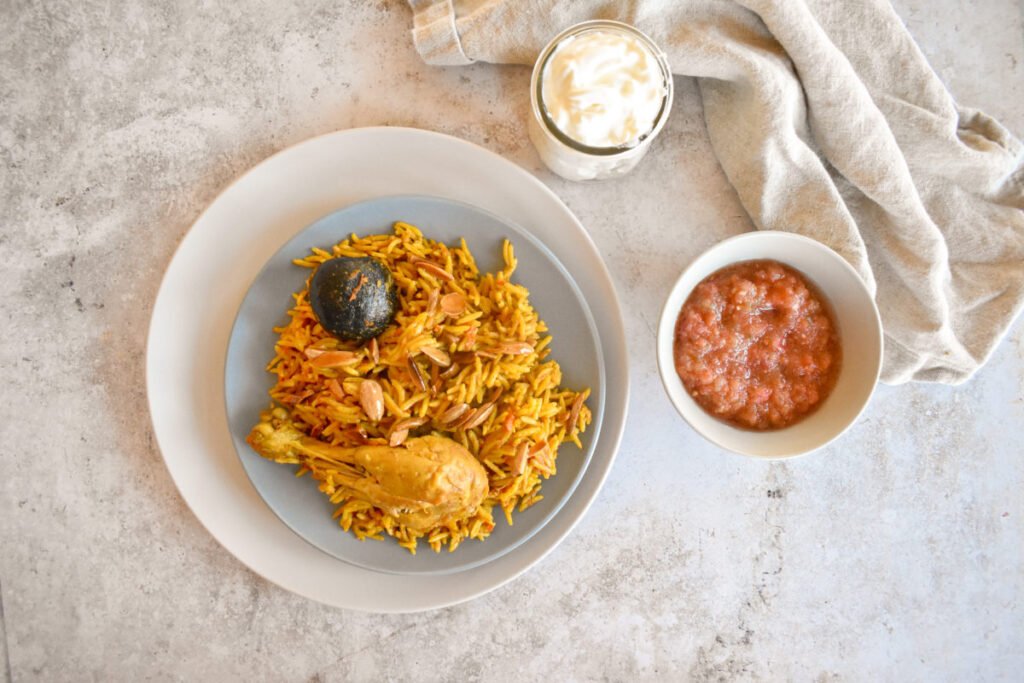
Mandi is usually presented with the rice spread generously across a large platter, topped with beautifully cooked chicken pieces. The rice often has a pale golden color with visible whole spices scattered throughout. The aroma alone is enough to draw everyone to the table.
It is commonly served with simple side accompaniments such as:
-
Tomato-based salsa or daqqous
-
Yogurt or laban
-
Fresh salad with cucumber and lemon
These sides provide freshness and contrast without overpowering the main dish.
Variations of Mandi Across Regions
While chicken Mandi is the most popular version, lamb Mandi is considered especially luxurious and is often served on special occasions. In coastal regions, fish Mandi can also be found, prepared with similar spices but adjusted cooking times.
Some households add saffron-infused water for color and aroma, while others include raisins or nuts as a garnish. Despite these variations, the heart of Mandi remains consistent: clean flavors, fragrant rice, and perfectly cooked meat.
Why Mandi Is Loved Worldwide
Mandi has gained international popularity because it appeals to a wide range of tastes. It is flavorful without being spicy, rich without being heavy, and comforting without feeling ordinary. For those new to Middle Eastern cuisine, Mandi is often the dish that wins them over.
Its simplicity also makes it versatile. Whether served at a casual family dinner or a large celebration, Mandi always feels appropriate and satisfying.
A Dish That Tells a Story
Every plate of Mandi tells a story of tradition, patience, and shared moments. From its Yemeni origins to its presence on tables across the Middle East and beyond, Mandi continues to bring people together through its aroma and warmth.
If you are looking for a timeless rice dish that feels both special and familiar, Chicken Mandi stands as a true classic—one that never goes out of style and always leaves a lasting impression.