Hummus is one of the most recognizable and beloved dishes of Middle Eastern cuisine. Smooth, creamy, and rich in flavor, hummus has earned its place on tables around the world—from family kitchens to restaurants and street food stalls. Made primarily from chickpeas, tahini, olive oil, and lemon juice, hummus is simple in ingredients yet deeply satisfying in taste.
This traditional hummus recipe focuses on authenticity, balance, and texture. It highlights the natural nuttiness of chickpeas and sesame paste while allowing fresh lemon and garlic to brighten every bite. Whether served as a dip, spread, or side dish, hummus is a timeless classic that never feels outdated.
What Is Hummus?
Hummus is a smooth paste made from cooked chickpeas blended with tahini, olive oil, lemon juice, and garlic. The name “hummus” comes from the Arabic word for chickpeas, which are the heart of this dish. While hummus is most commonly associated with the Levant region, including Lebanon, Palestine, Syria, and Jordan, it is enjoyed across the entire Middle East and Mediterranean.
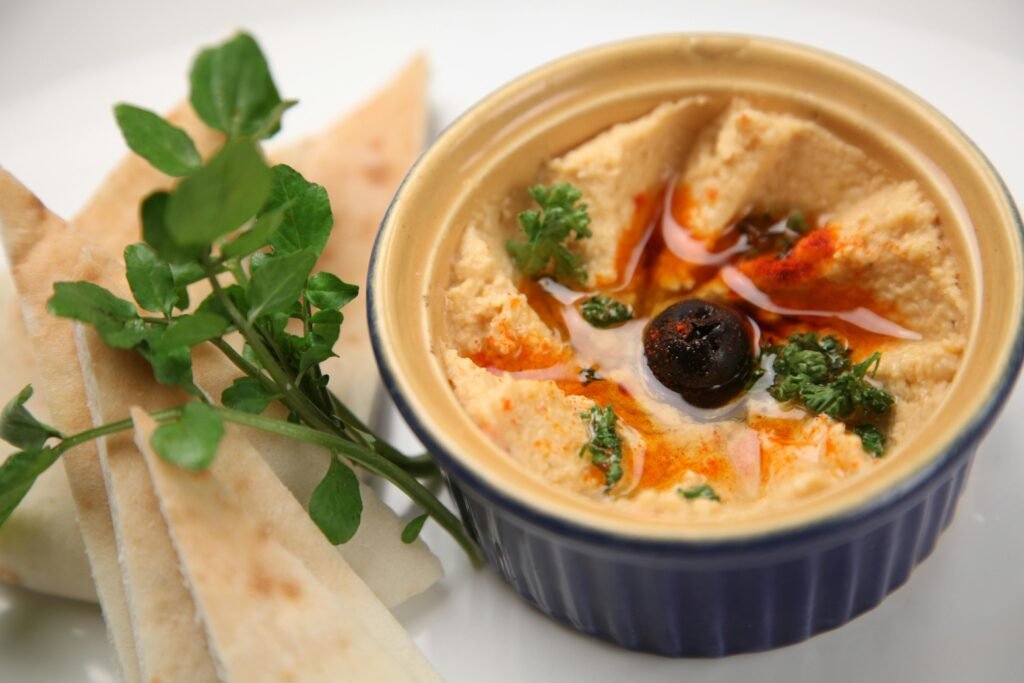
Hummus is traditionally served at room temperature, often spread onto a plate and topped with olive oil and simple garnishes. It is eaten with warm pita bread, fresh vegetables, or as part of a larger mezze spread.
Ingredients Used in Authentic Hummus
The beauty of hummus lies in its simplicity. Each ingredient plays an important role, and quality matters.
Chickpeas
Chickpeas provide the base and body of hummus. When cooked until very soft, they create a smooth and creamy texture. Many traditional recipes use dried chickpeas soaked and cooked slowly for best results.
Tahini
Tahini is a paste made from ground sesame seeds. It adds richness, depth, and a slightly nutty flavor that defines authentic hummus. Good-quality tahini should be smooth and pourable, not thick or bitter.
Olive Oil
Extra virgin olive oil brings silkiness and aroma. It is used both inside the hummus and drizzled on top before serving.
Lemon Juice
Fresh lemon juice adds brightness and balances the richness of tahini and olive oil. It gives hummus its clean, refreshing finish.
Garlic
Garlic provides subtle sharpness. It should enhance the flavor without overpowering the chickpeas.
Salt and Optional Seasonings
Salt brings everything together. Some variations include a touch of ground cumin for warmth, but traditional hummus remains lightly seasoned.
Texture and Flavor Profile
A well-made hummus should be exceptionally smooth, almost whipped in texture. It should spread easily and feel light on the palate. The flavor is creamy, nutty, slightly tangy, and savory, with no single ingredient dominating the others.
Authentic hummus is not heavy or overly thick. Instead, it has a delicate balance that makes it easy to eat in generous amounts without feeling overwhelming.
Cultural Importance of Hummus
Hummus is more than just food—it is part of everyday life in many Middle Eastern cultures. It is commonly eaten for breakfast or lunch, shared among family members and friends. In traditional settings, hummus is served in a communal plate, encouraging connection and conversation.
Across the region, hummus is seen as comfort food. It represents simplicity, hospitality, and tradition. Every household has its own version, often passed down through generations.
How Hummus Is Commonly Served
Hummus is typically spread onto a shallow bowl or plate, creating a small well in the center. Olive oil is poured into the well, and simple toppings are added for texture and presentation.
Popular serving accompaniments include:
-
Warm pita bread
-
Fresh vegetables like cucumber, carrot, or bell pepper
-
Olives and pickles
-
Falafel or grilled vegetables
In many meals, hummus is part of a mezze platter alongside dishes like baba ghanoush, tabbouleh, and stuffed grape leaves.
Variations of Hummus
While classic hummus remains the most popular, there are many variations enjoyed today. Some versions include roasted red peppers, beetroot, or herbs for added color and flavor. Others may add extra lemon or garlic depending on personal preference.
Despite modern twists, traditional hummus continues to be the foundation. Its clean flavor makes it endlessly adaptable without losing its identity.
Why Hummus Is Popular Around the World
Hummus has gained global popularity because it fits many lifestyles and tastes. It is naturally plant-based, satisfying, and versatile. It works as a snack, appetizer, or side dish and pairs well with many cuisines.
Its simple ingredients and rich flavor make it approachable, while its cultural history gives it depth and meaning. For many people, hummus becomes a staple once they experience its authentic taste.
A Dish That Never Goes Out of Style
Hummus proves that the best dishes do not need complexity. With just a few carefully chosen ingredients, it delivers flavor, comfort, and tradition in every spoonful. Whether enjoyed casually or as part of a festive spread, hummus remains a true classic of Middle Eastern cuisine.
Frequently Asked Questions (FAQs)
What is traditional hummus made of?
Traditional hummus is made from chickpeas, tahini, olive oil, lemon juice, garlic, and salt.
Which country does hummus come from?
Hummus originates from the Levant region, including countries such as Lebanon, Palestine, Syria, and Jordan.
Is hummus supposed to be thick or creamy?
Authentic hummus should be smooth, creamy, and light, not overly thick or grainy.
What does tahini add to hummus?
Tahini adds richness, nuttiness, and depth of flavor, giving hummus its signature taste.
Is hummus eaten hot or cold?
Hummus is traditionally served at room temperature, not hot or cold.
What do people eat with hummus?
Hummus is commonly eaten with pita bread, fresh vegetables, falafel, or as part of a mezze platter.
Can hummus be made without garlic?
Yes, garlic can be reduced or omitted based on personal preference while still keeping the dish authentic.
Why does restaurant hummus taste smoother?
Restaurant-style hummus is often blended longer and made with very soft chickpeas and high-quality tahini, resulting in a smoother texture.