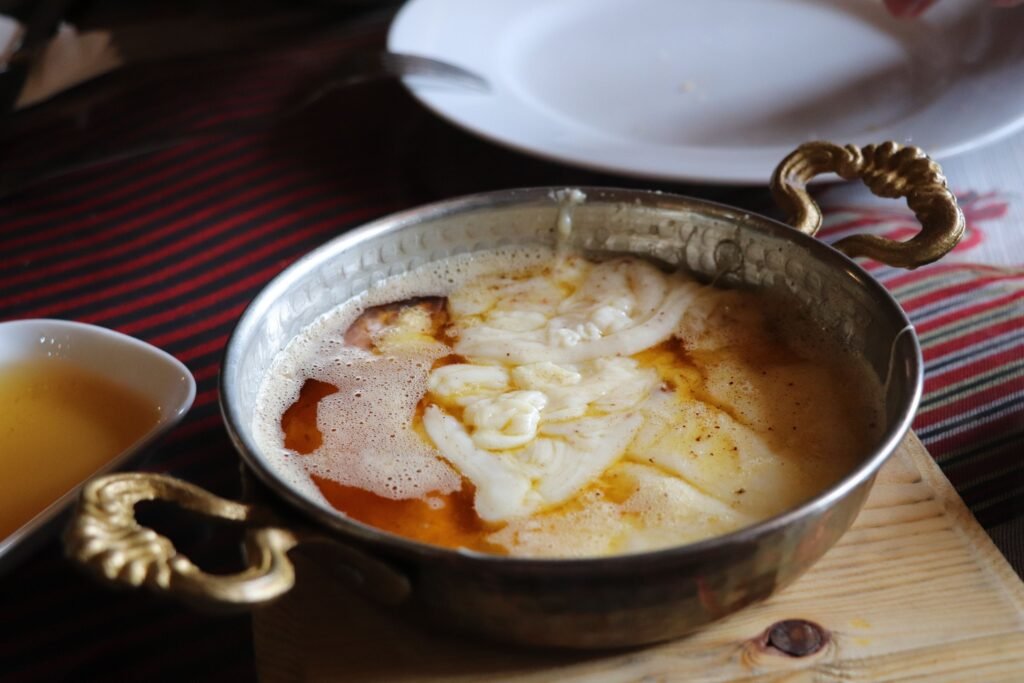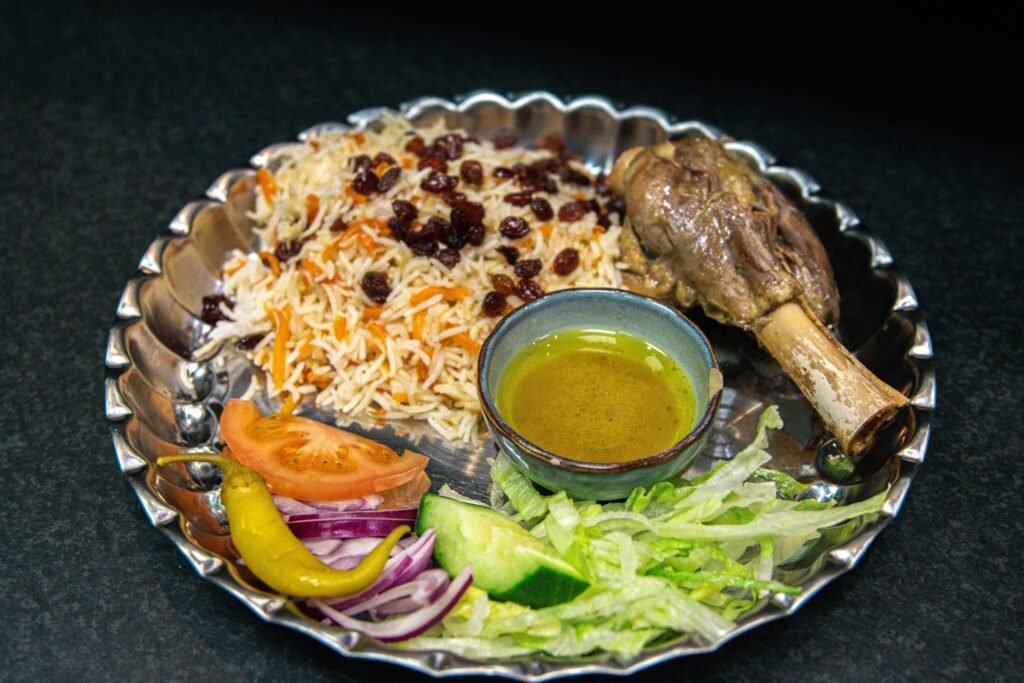

Djibouti skoudehkaris is a fragrant rice dish known for its comforting combination of tender meat, tomatoes, aromatic vegetables, and warming spices. Served as a generous shared meal, it offers a delicious introduction to Djiboutian cuisine and the region’s rich food traditions.
What Is Djibouti Skoudehkaris?
Skoudehkaris is commonly prepared with lamb, beef, or chicken. The meat is first cooked with onions, garlic, tomatoes, and seasonings. Rice is then added so it can absorb the savory cooking juices and develop a rich, aromatic flavor.
The Spices in Skoudehkaris
Cardamom, cinnamon, cumin, and black pepper can contribute to the dish’s warm fragrance. These spices add depth without hiding the natural flavor of the meat, tomatoes, and rice. The result is savory, comforting, and well suited to family-style dining.
How Skoudehkaris Is Prepared
- Sauté onions and garlic until fragrant.
- Brown the meat to build a savory base.
- Add tomatoes, vegetables, and warm spices.
- Stir in rice and enough liquid for it to cook gently.
- Cover and simmer until the rice is tender and the meat is cooked through.
A Dish Connected to Hospitality
Skoudehkaris is often served in a large shared portion, reflecting the importance of hospitality and togetherness in Djiboutian food culture. The dish is satisfying on its own and can also be served with fresh vegetables, salad, or a simple yogurt accompaniment.
Tips for Better Skoudehkaris
Rinse the rice before cooking if you prefer distinct grains, and allow the finished dish to rest briefly before serving. Resting helps the rice absorb the remaining flavors and makes it easier to serve.
Frequently Asked Questions
What meat can be used in skoudehkaris?
Lamb, beef, and chicken are all suitable choices. Cooking time will vary depending on the cut and type of meat.
Is Djibouti skoudehkaris spicy?
It is usually warmly spiced rather than intensely hot. Chili can be added to suit personal taste.
Read more food stories from around the world.