Selecting the Right Lentils and Beans for Authentic Dal Makhani With Deep, Earthy Flavor
Dal Makhani relies on two main ingredients: whole black lentils (urad dal) and red kidney beans (rajma). Choose high-quality, unbroken beans for the best texture. Soak the lentils overnight to reduce cooking time and improve digestibility. Rushing this step will result in unevenly cooked beans that either remain hard or break apart. The quality and soaking of lentils form the base of flavor and mouthfeel in a properly executed dal makhani.
Tempering Whole Spices and Onions to Build a Rich Aromatic Foundation Without Overpowering the Dal
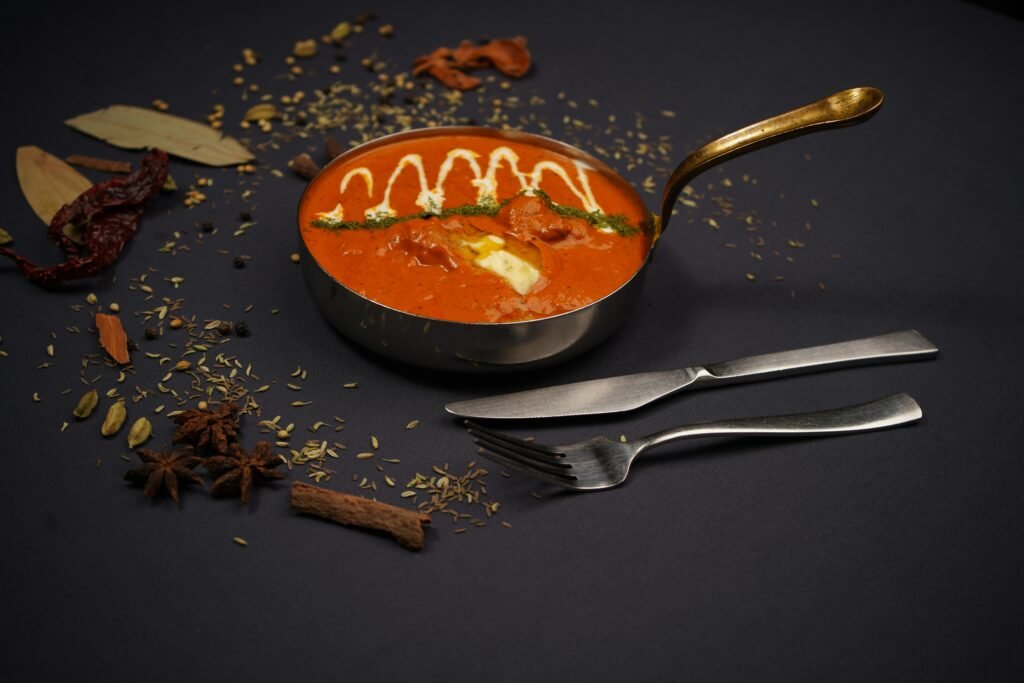
Heat ghee or oil in a heavy-bottomed pan. Add whole spices such as bay leaf, cloves, cardamom, and cinnamon, allowing them to sizzle gently to release aroma. Finely chopped onions are then sautéed until golden brown. This caramelization is critical; raw or undercooked onions make the curry taste flat, while burnt onions make it bitter. The balance of spice blooming and aromatics sets the stage for deep, complex flavors that develop throughout cooking.
Slow Cooking Lentils With Tomatoes and Ginger-Garlic Paste to Develop Layers of Flavor and Creamy Consistency
Add soaked lentils and kidney beans to the tempered aromatics, followed by water, chopped tomatoes, and ginger-garlic paste. Simmer on low heat for at least 1–2 hours. This slow cooking allows the lentils to soften fully and absorb spices, creating the creamy, velvety texture that defines restaurant-quality dal makhani. Stir occasionally and adjust water to prevent sticking; rushing this process yields grainy or undercooked dal.
Incorporating Cream and Butter Gradually for a Luxurious, Silky Texture Without Overpowering the Lentils
Once the lentils are tender, add butter and heavy cream gradually, stirring gently to integrate without curdling. This is the hallmark of dal makhani: a creamy, indulgent finish that still preserves the earthy lentil flavor. Overuse of cream can mask the subtle spice notes, while too little makes the curry less rich. Proper technique ensures balance between richness and depth of flavor.
Final Seasoning Adjustments With Garam Masala and Optional Kasuri Methi for Signature North Indian Aroma
Sprinkle garam masala and crushed kasuri methi (dried fenugreek leaves) toward the end to add fragrance and complexity. Taste carefully for salt and spice balance; dal makhani is all about harmony. The finishing step is as important as slow cooking — missing this results in a curry that is technically correct but lacks character.
Serving Dal Makhani Hot With Naan, Roti, or Steamed Rice for Maximum Flavor Impact
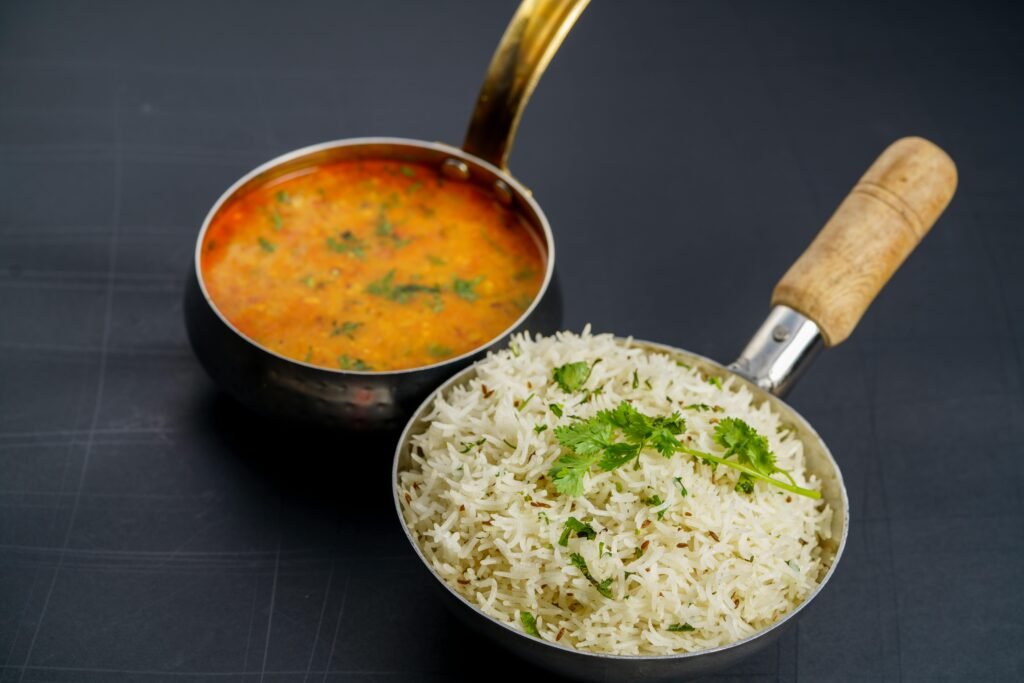
Serve immediately in a shallow bowl, drizzling a small amount of butter on top for sheen and aroma. Dal makhani pairs best with soft naan, tandoori roti, or steamed basmati rice. The contrast between the creamy, spiced lentils and the bread or rice creates a satisfying, authentic North Indian dining experience. For street-style richness, some variations also include a slow-cooked smoky flavor (dhungar method), enhancing the depth and leaving an unforgettable taste impression.