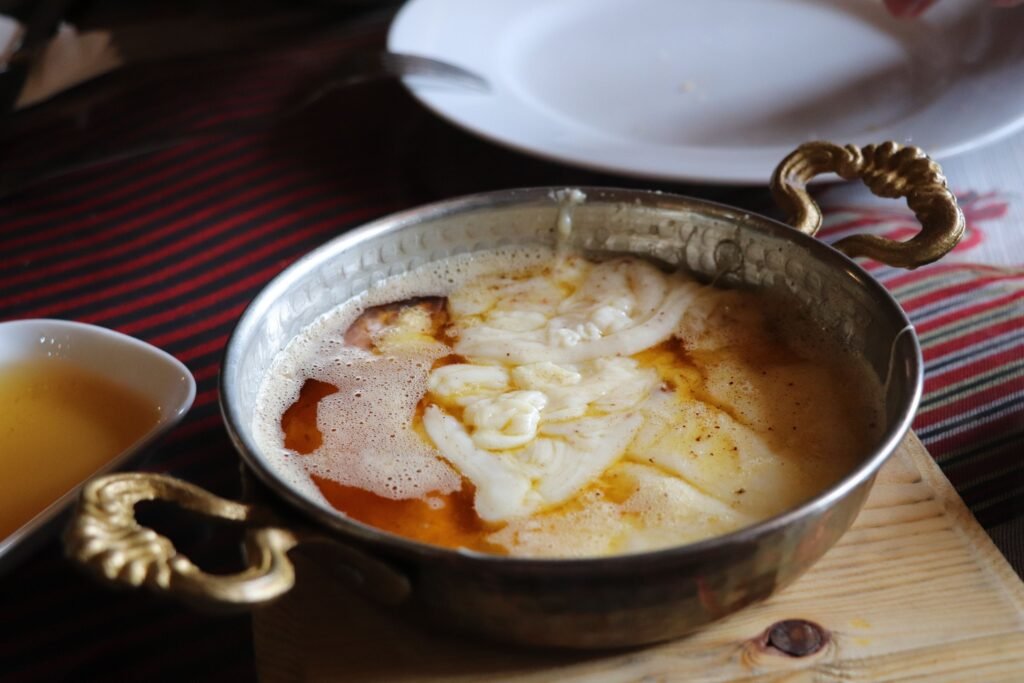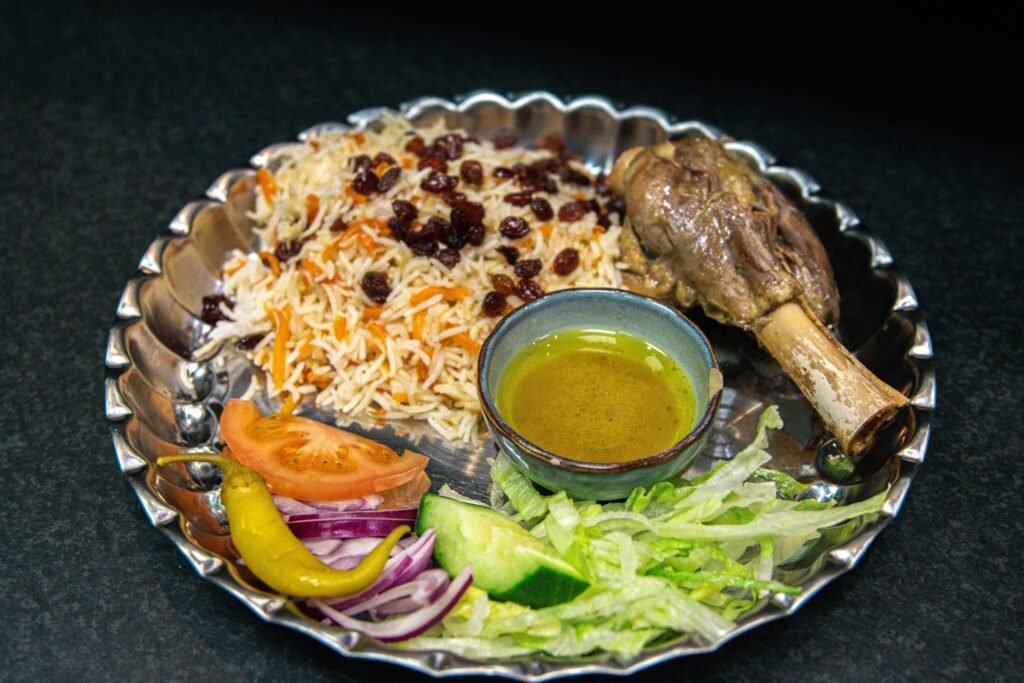

Moamba de galinha is more than a comforting chicken stew. It is one of Angola’s most recognizable dishes: a generous combination of tender chicken, palm oil, vegetables, and aromatic spices. Each bowl brings together flavor, history, landscape, and the warmth of Angolan hospitality.
What makes moamba de galinha special?
The soul of the dish is moamba, a rich palm-fruit sauce. It gives the stew its deep orange-red color, silky texture, and earthy flavor. Palm oil creates a kind of richness that feels both rustic and luxurious.
Chicken is usually browned or simmered with onion, garlic, tomato, chili, and other seasonings. As it cooks, the meat absorbs the sauce and becomes tender. The finished dish is bold without being complicated.
You can taste several layers at once: gentle sweetness from the palm, savory depth from the chicken, brightness from tomato, and heat from chili. The level of spice can be adjusted to suit the cook and the guests.
A dish shaped by Angola’s ingredients
Angolan food reflects the country’s tropical climate, Atlantic coast, fertile regions, and long history of cultural exchange. Palm products, cassava, chili, leafy greens, and chicken all have important roles in local cooking.
Moamba de galinha shows how everyday ingredients can become memorable when they are cooked slowly and served generously. Some versions include okra. Others use additional vegetables or extra chili. Families often have their own preferred balance of richness and spice.
These variations are part of the dish’s identity. There is no single version that represents every home. What remains consistent is the hearty sauce and the expectation that the meal will be shared.
How it is traditionally served
Moamba de galinha is commonly served with funge, a smooth cassava or cornmeal accompaniment. Funge is ideal for scooping up the sauce. Rice is another popular pairing, especially when the stew is particularly rich.
Greens or a simple salad can add freshness. Extra chili may be offered separately for guests who want more heat. The best way to eat the dish is slowly: a little chicken, a little sauce, and a generous spoonful of the accompaniment in every bite.
What does it taste like?
The first impression is the fragrance of onion, garlic, and spices. Then the palm-based sauce brings a rounded, almost nutty richness. The chicken carries the seasoning through to the center, while chili adds a lively finish without overwhelming the other flavors.
If okra is included, it can give the sauce extra body and a gentle vegetal note. The contrast is what makes moamba satisfying: rich sauce, tender meat, bright tomato, and the mild texture of funge or rice.
Why patience matters
Moamba rewards a steady cooking process. Browning the chicken first can add extra depth. Softening the onion and garlic before adding the other ingredients helps build a more rounded base. Seasoning in stages also makes the final flavor easier to control.
Allow the sauce time to develop, but avoid cooking the chicken until it loses its texture. The goal is tender meat surrounded by a thick, fragrant sauce. Taste as you go, especially before adding more chili or salt.
Why it deserves a place on your food list
If you are exploring African cuisine, moamba de galinha is an excellent starting point. It introduces palm oil as a central flavor and shows how Angolan cooking turns familiar ingredients into food with real personality.
Whether you discover it in Luanda, taste a family recipe, or prepare your own version at home, serve it with something that can catch every drop of sauce. The dish should feel warm, fragrant, and abundant.
Final thought
Moamba de galinha is fiery, but its greatest strength is not heat. It is depth. Every spoonful carries the richness of palm, the comfort of slow-cooked chicken, and the spirit of a meal meant to be shared. That is why this Angolan classic continues to stand out among the world’s great comfort foods.