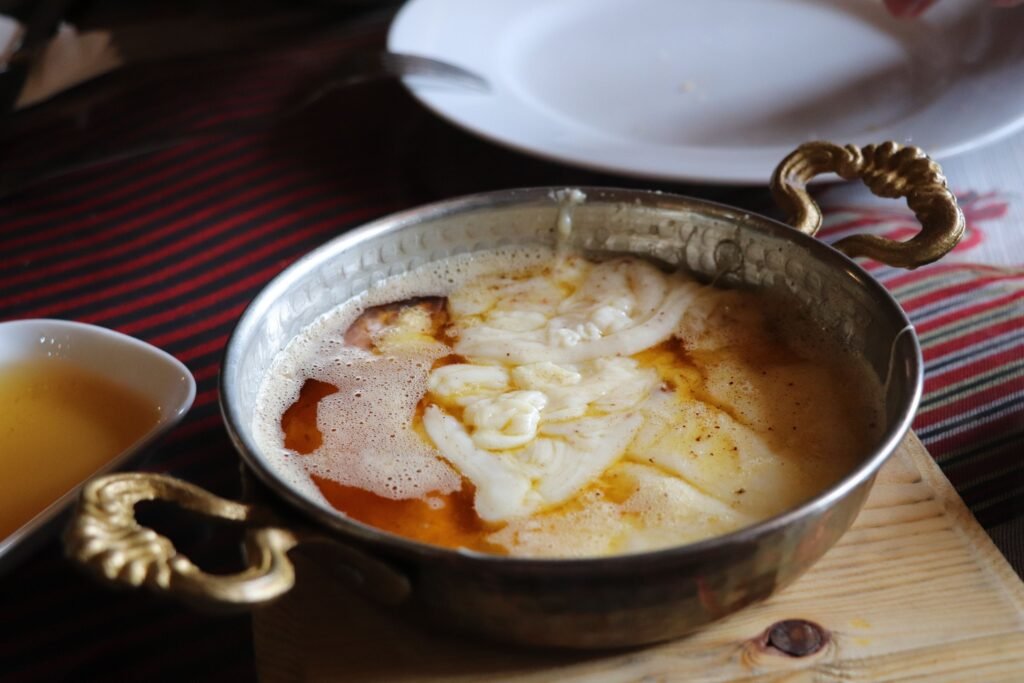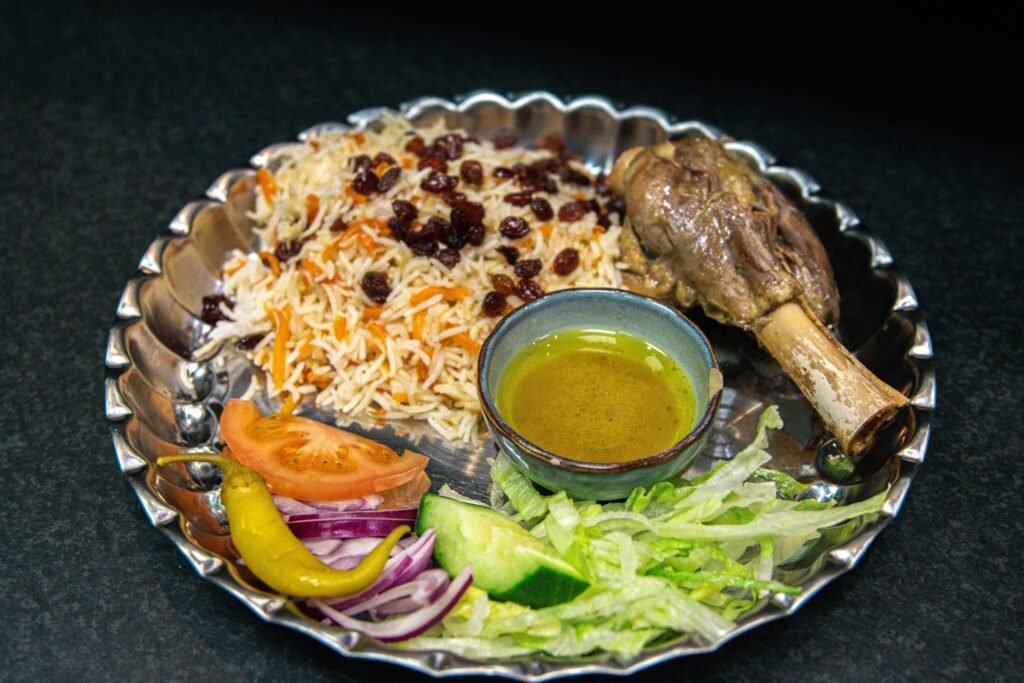
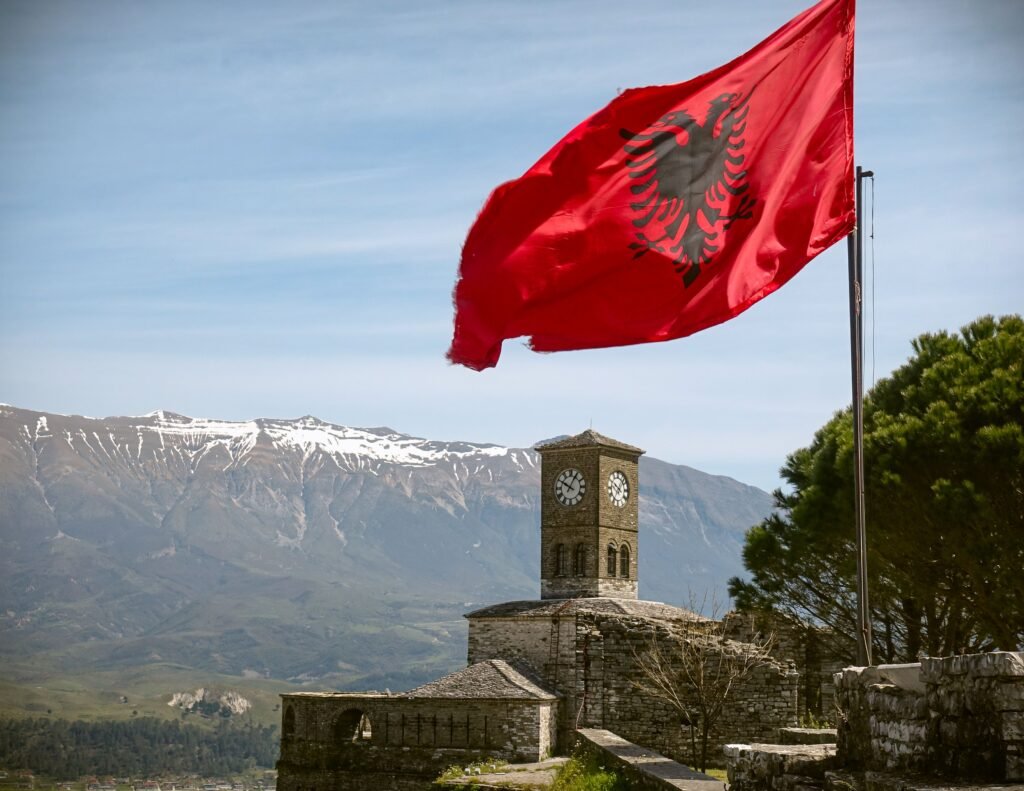
Albanian cuisine is the kind of food culture that quietly rewards attention. It does not always shout for the spotlight, but once you look closely, you find a rich story shaped by mountains, coastline, Ottoman history, local farming, and a strong sense of family. Albanian food has always been practical, seasonal, and comforting, but it also carries a surprising depth of history.
Albania’s geography helped shape its table. The country has rugged highlands, fertile valleys, and a long stretch of Adriatic and Ionian coastline. That means food traditions developed around what different regions could grow, raise, or catch. In the mountains, people relied on dairy, corn, beans, and shepherding traditions. Along the coast, fish, olive oil, vegetables, and herbs became more common. This regional variety is one reason Albanian cuisine feels both simple and diverse.
Historically, Albania was influenced by Illyrian roots, Roman presence, Byzantine life, and centuries of Ottoman rule. Each period left traces in the kitchen. The Ottoman era, in particular, influenced the use of pastries, layered pies, stuffed vegetables, slow-cooked meats, and sweet syrup-based desserts. But these dishes were adapted in distinctly Albanian ways, using local ingredients and household traditions rather than strict imported formulas.
One of the most beloved expressions of Albanian cooking is byrek, a flaky pie filled with spinach, cheese, meat, pumpkin, or leeks. Byrek is not just a snack; it is part of everyday life. It appears at breakfast, lunch, celebrations, and roadside bakeries. That versatility says a lot about Albanian food culture: good food should be accessible, filling, and shared often.
Another important part of the story is hospitality. In Albanian homes, feeding guests is a serious and joyful responsibility. Meals tend to be generous, and people often prepare more than needed to make sure no one leaves hungry. Even today, the table can reflect both humility and pride. A simple meal of bread, cheese, olives, tomatoes, and yogurt can feel complete because it is built from care and good ingredients.
Seasonality matters deeply in Albania. Rural life encouraged people to preserve food, ferment dairy, dry herbs, and make the most of harvest windows. This is one reason the cuisine feels closely connected to the land. Fresh vegetables, beans, wild greens, and simple meat dishes often form the center of meals. Olive oil, lemon, garlic, and herbs bring brightness without hiding the ingredient itself.
Sweets also have a place in the tradition. Baklava and similar desserts reflect regional influences, but Albanian versions often carry their own local character. In many homes, dessert is part of a shared social moment rather than a separate course. Coffee and conversation often accompany it, which gives Albanian food culture a relaxed, human feel.
In modern times, Albanian cuisine has gained more attention among travelers who want honest, rustic, deeply satisfying food. It is a cuisine that values flavor without unnecessary complication. That may be why it resonates so well today: it feels real. It reflects family history, regional identity, and a strong respect for ordinary ingredients.
What makes Albanian food especially interesting is the balance between modesty and richness. A dish does not need to be elaborate to be meaningful. A well-made pie, a bowl of beans, a grilled fish, or a plate of slow-cooked vegetables can say a great deal about a place and its people. That is the quiet strength of Albanian cuisine.
For more country-centered food stories, explore the Best of country category.
SEO keywords: Albanian cuisine history, traditional Albanian food, byrek recipe, Albanian family meals, Balkan food culture
Related phrases: Adriatic food traditions, mountain cooking, Ottoman influence, Albanian hospitality, regional dishes