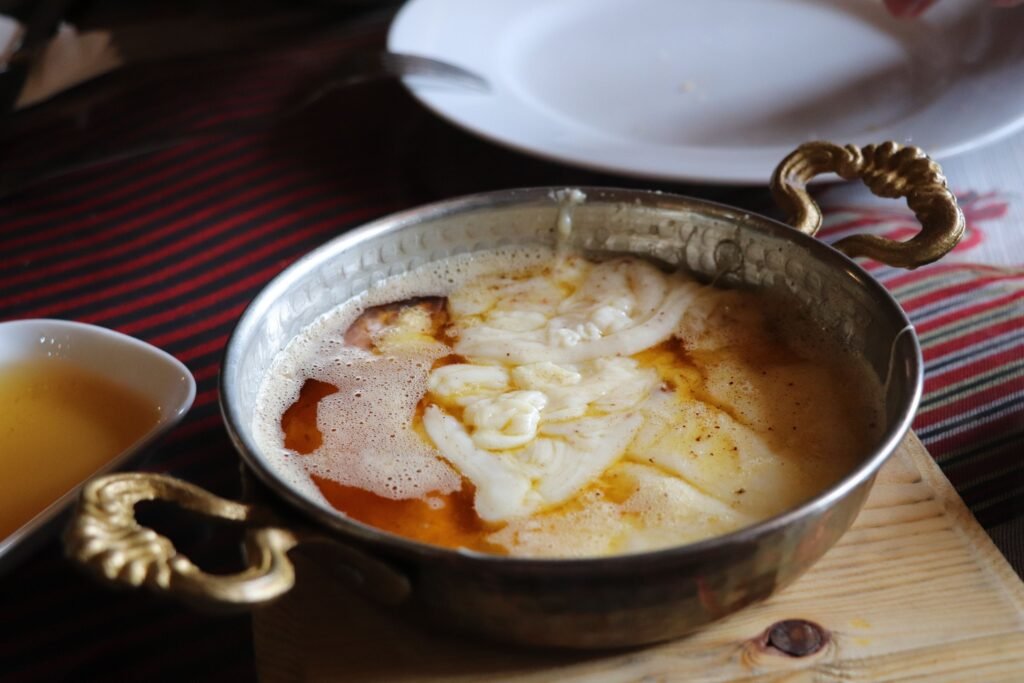
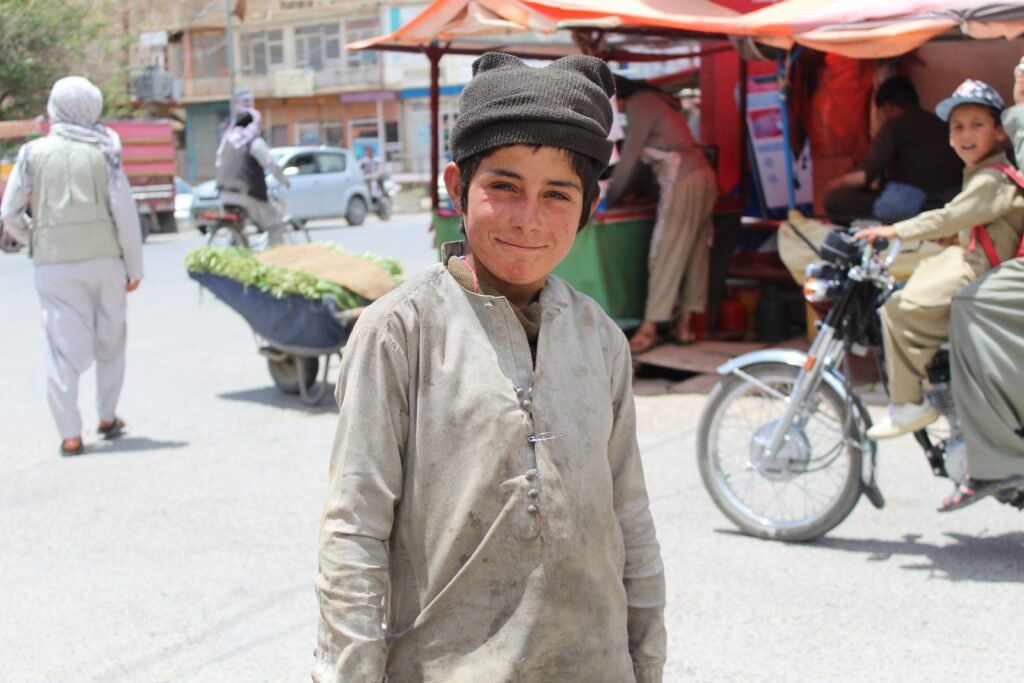
Afghan cuisine tells the story of a crossroads. It is warm, generous, and rooted in family life, yet it also reflects centuries of movement across Central and South Asia. Caravans, empires, mountain villages, trade routes, and family kitchens have all helped shape its character.
A Cuisine Shaped by Geography and Trade
Afghanistan lies between Persia, the Indian subcontinent, and Central Asia. This location made it an important meeting point for people, ingredients, and cooking traditions.
Traders introduced spices, grains, dried fruits, and new cooking methods. Rulers and travelers carried culinary customs with them, while local farmers and shepherds kept Afghan food grounded in the country’s land and climate.
Over time, wheat, rice, lamb, yogurt, onions, carrots, herbs, and nuts became essential ingredients in everyday cooking.
Kabuli Pulao: A Dish with a History
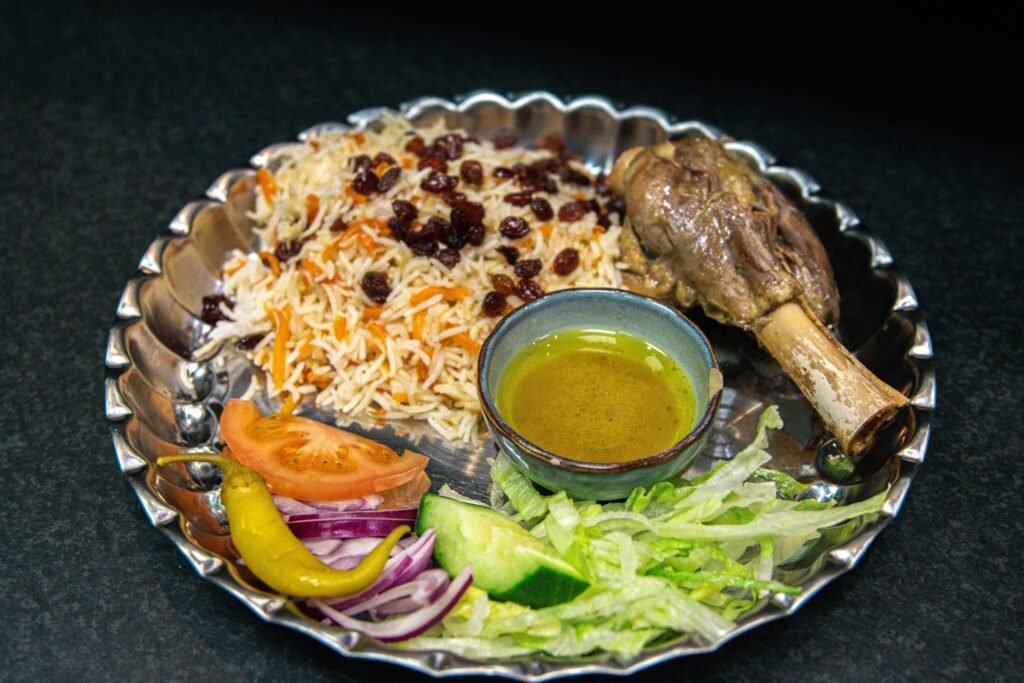
One of Afghanistan’s best-known dishes is kabuli pulao. This fragrant rice dish is often served with tender meat, carrots, raisins, and almonds.
Kabuli pulao is more than a celebratory meal. Its ingredients reflect Afghanistan’s history. Rice spread through trade and cultivation, while dried fruits and nuts highlight the country’s long-standing orchard culture.
The dish also expresses the importance of hospitality. Serving guests generously is a form of respect, and a carefully prepared meal can become an act of honor.
Food Rooted in Daily Life
Afghan cooking has always been shaped by practical needs as well as special occasions.
- In colder regions, nourishing soups, dumplings, and breads helped provide warmth and energy.
- In farming communities, dairy, fresh herbs, and seasonal vegetables were central to the diet.
- In many households, recipes were passed from one generation to the next through demonstration and memory rather than written instructions.
This oral tradition helps explain why Afghan cuisine feels personal and alive. It is not limited to one official set of recipes; it changes naturally from one family and region to another.
Influences from Neighboring Regions
Afghanistan’s history of cultural exchange is visible in its food.
Persian influence appears in fragrant rice dishes and the use of saffron and dried fruits. Connections with the Mughal world encouraged richer layered dishes and a preference for balanced spices. Central Asian traditions contributed grilled meats, dairy-based sides, grain dishes, and methods for preserving food.
Afghan cuisine, however, never became a copy of its neighbors. It developed its own identity through simplicity, balance, and careful preparation.
Hospitality at the Family Table
Family meals are at the heart of Afghan food culture. Food is a way to welcome guests, honor elders, remember home, and strengthen community.
Bread is especially important and is often served with nearly every meal. A shared table may include rice, bread, stew, salad, yogurt, and tea. This variety reflects both abundance and a natural culture of sharing.
Afghan Cuisine Today
Today, Afghan cooks continue to preserve traditional flavors while adapting to new lives and ingredients around the world. Diaspora communities have helped introduce dishes such as mantu, ashak, bolani, qorma, and qabili-style rice dishes to new audiences.
Although these dishes may vary by region and household, they share a common message: food should comfort, nourish, and bring people together.
A Living Culinary Heritage
The history of Afghan cuisine is about more than empires and geography. It is also a story of resilience, hospitality, and the daily art of feeding people with care.
Every plate connects movement with belonging: old trade routes with new homes, inherited traditions with changing lives, and a proud culture with the universal language of food.