Why Kabuli Pulao Means More Than Rice
Kabuli Pulao is often described as Afghanistan’s national dish, but that description barely captures its place in everyday life. It is not just a recipe. It is a dish that appears at weddings, family gatherings, religious celebrations, and the kind of dinner tables where guests are treated like honored visitors. In a country shaped by trade routes, empires, mountain passes, and cultural exchange, Kabuli Pulao stands out as a dish that feels generous, layered, and deeply historical.
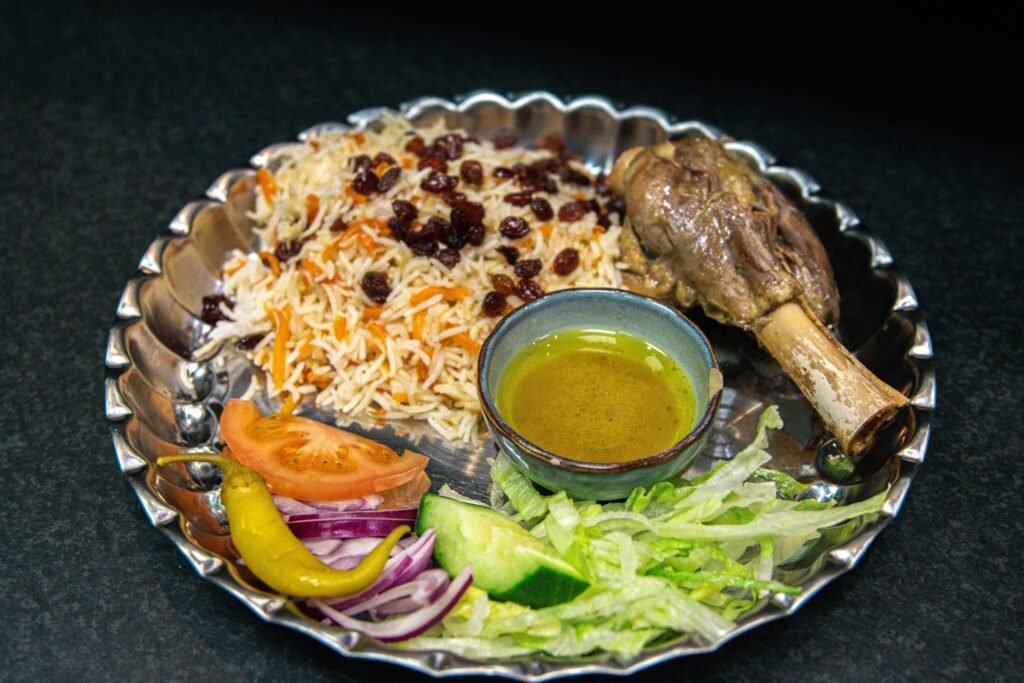
At first glance, Kabuli Pulao looks simple: rice, meat, carrots, raisins, and spices. But the real story is in the balance. The rice is fragrant but not overpowering. The meat is rich but not heavy. The sweet raisins and carrots create a contrast that makes every bite feel thoughtful. That sense of balance reflects a wider Afghan food culture that values hospitality, respect, and care. Food is not only nourishment; it is a way of welcoming someone properly.
A Dish Shaped by Trade and Travel
The history of Kabuli Pulao is tied to Afghanistan’s position along ancient trade routes. Spices, dried fruits, rice, and cooking traditions moved through the region for centuries. That is why the dish feels connected to both Central Asian and South Asian culinary worlds while still remaining unmistakably Afghan. Rice dishes with meat and dried fruit can be found across the broader region, but the Afghan version has its own identity: elegant, restrained, and aromatic.
The name itself points to Kabul, the capital, though versions of the dish are enjoyed across the country. In many Afghan households, the dish is prepared with lamb or beef, long-grain rice, onions, carrots cut into thin strips, and raisins that are lightly cooked until glossy. Some families add almonds or pistachios for texture. Others keep it simpler. What never changes is the sense that Kabuli Pulao deserves attention and time.
The Cultural Meaning Behind the Plate
In Afghan culture, serving Kabuli Pulao to a guest is a statement of respect. It says the host has gone beyond the ordinary. The dish often marks important moments because it is considered worthy of celebration. This is also why it has survived political shifts, migration, and long periods of hardship. Even when ingredients were limited, the idea of Kabuli Pulao remained important.
That resilience gives the dish emotional weight. People who grew up with it often remember the smell of rice steaming in a kitchen, the sweetness of carrots frying in oil, and the moment the platter arrives at the table. It is a memory dish as much as a meal. For many Afghans living abroad, Kabuli Pulao is one of the strongest links to home.
What Makes It Distinctive
There are many rice dishes in the world, but Kabuli Pulao has a quiet complexity that makes it memorable. The spices are not aggressive. Cinnamon, cardamom, cumin, and black pepper often appear, but they work in the background. The dish is built on layering rather than force. First the meat is cooked until tender. Then the rice is prepared separately or together depending on the method. Finally the garnishes are arranged on top, turning the pot into a centerpiece.
This visual presentation matters. Kabuli Pulao is meant to look abundant and festive. The caramelized carrots and raisins on top are not just garnish; they are part of the identity. They create a contrast with the rice below and signal that this is a dish for occasions, not haste.
A Taste of Afghan Identity
To understand Kabuli Pulao is to understand something about Afghanistan itself: the country’s ability to absorb influences without losing its character. The dish reflects movement across borders, but it also reflects continuity at home. Families may adjust the recipe, but they keep the spirit intact. That is why it remains one of the most recognizable foods associated with Afghanistan.
For readers interested in more food stories like this, explore the rest of our Best of country series. Kabuli Pulao is a powerful reminder that a national dish can carry history, memory, and hospitality all in one serving.
Frequently Asked Questions
Is Kabuli Pulao sweet? It has a gentle sweetness from raisins and carrots, but it is not a dessert-like dish. The sweet notes are balanced by savory meat and spices.
Is it always made with lamb? No. Lamb is traditional in many homes, but beef is also common, and some families prepare simpler versions with other proteins.
Why is it so important in Afghan culture? Because it represents hospitality, celebration, and a sense of shared identity.