Lets talk about Mutabbaq, The Mutabbaq is a beloved stuffed flatbread enjoyed across the Arabian Peninsula and parts of Southeast Asia recently. Crispy on the outside and flavorful on the inside, mutabbaq is a dish that perfectly balances texture, aroma, and comfort. Often found at street food stalls and family gatherings, mutabbaq is known for its thin, flaky dough wrapped around a savory filling that feels both indulgent and satisfying.
The name mutabbaq comes from the Arabic word meaning “folded,” which perfectly describes this dish. Its layered exterior and well-seasoned filling make it instantly recognizable and deeply comforting. Whether served as a snack, light meal, or shared dish, mutabbaq continues to hold a special place in traditional cuisine.
What Is Mutabbaq?
Mutabbaq is a stuffed flatbread made with very thin dough that is filled, folded, and cooked until golden and crisp. While savory mutabbaq is the most common, especially in Middle Eastern cuisine, sweet versions also exist in some regions.
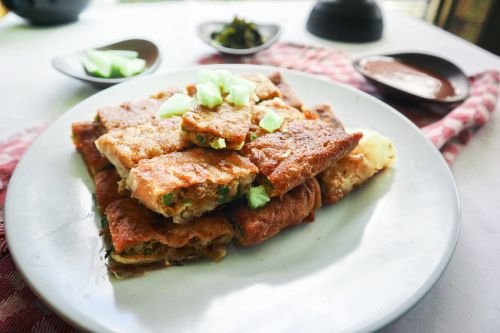
Savory mutabbaq is typically filled with minced meat, eggs, onions, and spices. The filling is spread thinly inside the dough, allowing it to cook evenly while keeping the bread crisp. Once cooked, mutabbaq is usually sliced and served warm.
Mutabbaq is especially popular in Saudi Arabia, Yemen, and surrounding Gulf countries. In Southeast Asia, particularly Indonesia and Malaysia, mutabbaq has evolved into regional variations while still keeping its original influence.
Ingredients That Define Savory Mutabbaq
Dough
The dough is one of the most important elements of mutabbaq. It is stretched until paper-thin, similar to dough used for traditional flatbreads. This thinness allows the dough to become crispy while still remaining tender inside.
Minced Meat
Beef or lamb is commonly used. The meat is finely minced so it cooks quickly and distributes evenly throughout the filling.
Eggs
Eggs bind the filling together and add richness. They also help create a soft, cohesive interior that contrasts beautifully with the crisp outer layers.
Onions and Aromatics
Finely chopped onions are essential for flavor and moisture. Green onions are sometimes added for freshness.
Spices
Mutabbaq seasoning is warm and aromatic rather than spicy. Common spices include black pepper, cumin, coriander, and mild curry spices. Salt balances the flavors and brings everything together.
Flavor Profile and Texture
Mutabbaq is all about contrast. The outside is golden, flaky, and crisp, while the inside is savory, juicy, and softly set. The spices are gentle and comforting, allowing the meat and onion flavors to stand out.
Each bite offers crunch followed by richness, making mutabbaq incredibly satisfying without feeling heavy. When prepared well, the filling is evenly distributed, ensuring consistent flavor throughout.
Cultural Importance of Mutabbaq
Mutabbaq is widely associated with street food culture. In many Middle Eastern cities, mutabbaq stalls are popular evening spots where people gather for quick bites and conversation. The dish is often prepared fresh in front of customers, adding to its appeal.
In homes, mutabbaq is commonly served during casual gatherings or family meals. It is easy to share, easy to eat, and universally loved. Its adaptability also makes it a staple across cultures, with each region adding its own touch.
How Mutabbaq Is Commonly Served
Mutabbaq is usually served hot, sliced into squares or triangles for easy sharing. It is often paired with simple sauces or sides that enhance its flavor without overpowering it.
Common accompaniments include:
Tomato-based sauce or mild chili sauce
Yogurt or garlic sauce
Lemon wedges for freshness
These additions provide balance and contrast, making the dish even more enjoyable.
Regional Variations of Mutabbaq
While savory meat-filled mutabbaq is the most common in the Middle East, sweet versions are also popular in some regions. Sweet mutabbaq may be filled with banana, sugar, condensed milk, or chocolate, offering a dessert-style alternative.
In Southeast Asia, mutabbaq fillings may include curry-flavored meat, cheese, or vegetables. Despite these variations, the defining feature remains the same: thin folded dough with a flavorful filling.
Why Mutabbaq Is Loved Worldwide
Mutabbaq appeals to a wide audience because it combines familiar ingredients in a unique way. The crispy bread, savory filling, and warm spices create a comforting yet exciting dish. It works well as street food, party food, or a casual home meal.
Its versatility also adds to its popularity. Mutabbaq can be adapted to different tastes, dietary preferences, and regional flavors without losing its identity.
A Dish Built on Simplicity and Skill
Mutabbaq showcases how simple ingredients can create something memorable when handled with care. Its crisp layers and savory filling reflect tradition, technique, and shared enjoyment.
Whether enjoyed from a street stall or prepared at home, mutabbaq remains a dish that delivers flavor, texture, and cultural richness in every bite.
Frequently Asked Questions (FAQs)
What is mutabbaq made of?
Mutabbaq is made with thin dough filled with minced meat, eggs, onions, and aromatic spices.
Which country does mutabbaq come from?
Mutabbaq originates from the Arabian Peninsula, particularly Yemen and Saudi Arabia.
Is mutabbaq spicy?
Mutabbaq is not usually spicy. It is seasoned with warm spices rather than strong heat.
Is mutabbaq a main dish or a snack?
Mutabbaq can be enjoyed as both a snack and a light meal, depending on portion size.
Are there sweet versions of mutabbaq?
Yes, sweet mutabbaq filled with banana, sugar, or condensed milk is popular in some regions.
What is the texture of mutabbaq?
Mutabbaq is crispy and flaky on the outside with a soft, savory filling inside.
How is mutabbaq usually served?
It is served hot, sliced, and often paired with sauce, yogurt, or lemon.
Why is mutabbaq popular as street food?
Mutabbaq is quick to prepare, filling, flavorful, and easy to share, making it ideal for street food culture.