Falafel is one of the most recognizable and beloved foods of the Middle East. Crispy on the outside, tender and herbaceous on the inside, falafel has earned global popularity as a satisfying street food and a comforting everyday meal. Made primarily from ground legumes, fresh herbs, and aromatic spices, falafel is simple in concept yet rich in flavor and tradition.
From busy street corners to family kitchens, falafel represents affordability, nourishment, and cultural pride. Its irresistible texture and bold taste make it a favorite across generations and borders. Whether served in warm bread, alongside fresh salads, or as part of a mezze spread, falafel continues to be a symbol of Middle Eastern cuisine.
What Is Falafel?
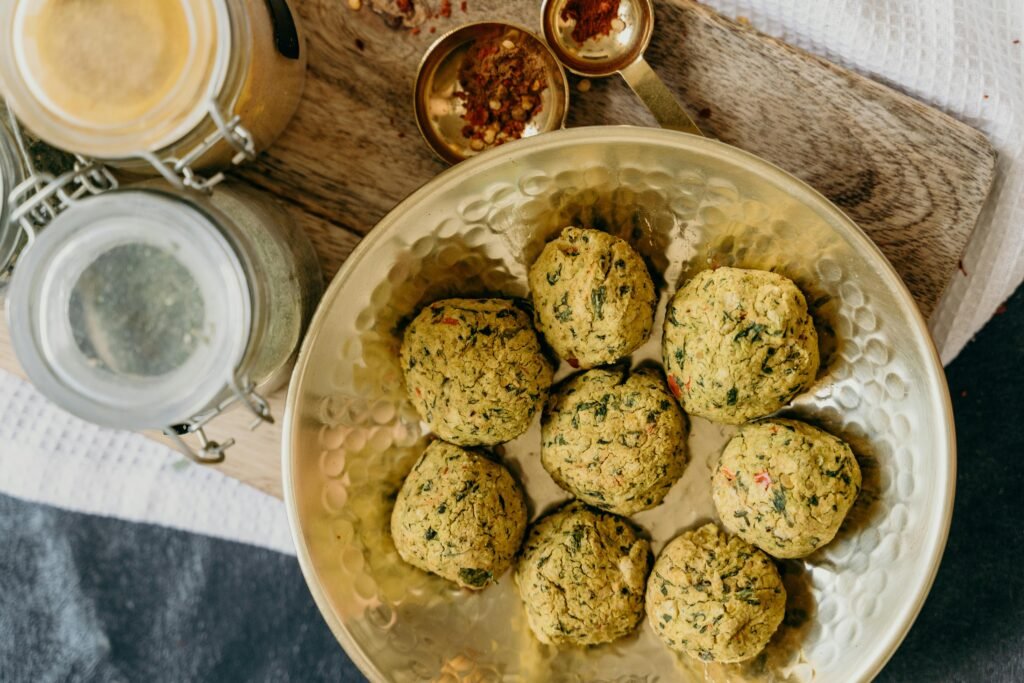
Falafel is a deep-fried patty or ball made from ground chickpeas or fava beans, mixed with fresh herbs, garlic, onion, and spices. The mixture is shaped and cooked until golden and crisp. While chickpea falafel is widely known today, many traditional versions—especially in Egypt—use fava beans as the base.
The origins of falafel are deeply rooted in the Middle East, with different regions proudly claiming their own variations. Regardless of the base ingredient, the essence of falafel remains the same: fragrant herbs, earthy legumes, and a perfectly crisp exterior.
Ingredients That Define Authentic Falafel
Legumes
Dried chickpeas or fava beans form the foundation of falafel. They are soaked, not cooked, to preserve texture and flavor. This step is key to achieving the classic interior crumb.
Fresh Herbs
Parsley and cilantro are essential. They give falafel its vibrant green interior and fresh, aromatic flavor. Some variations also include dill for added complexity.
Aromatics
Onion and garlic add depth and savory balance. They should enhance the flavor without overpowering the herbs.
Spices
Cumin and coriander are the heart of falafel seasoning, delivering warmth and earthiness. Black pepper and salt bring balance, while some versions include a hint of chili for subtle heat.
Binding Elements
Falafel relies on proper grinding and resting rather than heavy binders. When prepared correctly, the mixture holds together naturally while remaining light inside.
Flavor Profile and Texture
Falafel offers a unique contrast of textures. The outside is golden and crunchy, while the inside remains moist, soft, and packed with herbs. The flavor is savory, fresh, and slightly nutty, with spices that linger gently on the palate.
Unlike many fried foods, falafel does not feel heavy when made properly. The herbs brighten the dish, making it satisfying without being overwhelming.
Cultural Significance of Falafel
Falafel is more than a popular snack—it is part of daily life across the Middle East. It is commonly eaten for breakfast, lunch, or dinner, especially as a quick and affordable meal. In many cities, falafel shops are neighborhood staples, known for their consistency and signature seasoning.
In Egypt, falafel—often called ta’ameya—is traditionally made with fava beans and is deeply embedded in local food culture. In the Levant, chickpea falafel dominates and is often served in pita bread with fresh vegetables and sauces.
Falafel also represents sharing and community. It is often prepared in batches and enjoyed together, making it a social food as much as a culinary one.
How Falafel Is Commonly Served
Falafel is incredibly versatile and can be enjoyed in many ways. The most iconic presentation is a falafel sandwich or wrap.
Common serving styles include:
Stuffed inside pita or flatbread
Served with tahini sauce or garlic sauce
Paired with fresh vegetables like tomato, cucumber, and lettuce
Accompanied by pickles and olives
Included in mezze platters with hummus and other dips
The balance of crunchy falafel, soft bread, creamy sauce, and fresh vegetables creates a complete and satisfying meal.
Regional Variations of Falafel
Falafel recipes vary by region and household. Egyptian falafel is typically greener and softer inside due to the use of fava beans and extra herbs. Levantine falafel made with chickpeas tends to be nuttier and slightly firmer.
Some variations add sesame seeds on the outside for extra crunch, while others adjust the herb ratio for a stronger or milder flavor. Despite these differences, all versions honor the same foundation.
Why Falafel Is Loved Worldwide
Falafel’s global appeal lies in its simplicity and versatility. It fits effortlessly into many food cultures and meal styles. Its bold flavor, satisfying texture, and plant-based nature have helped it gain popularity far beyond its origins.
Falafel works equally well as street food, restaurant fare, or homemade comfort food. Its ability to pair with different sauces and sides makes it endlessly adaptable without losing its identity.
A Dish Rooted in Tradition and Taste
Falafel proves that humble ingredients can create something extraordinary. With its crisp bite, fragrant herbs, and rich cultural history, falafel continues to be a timeless favorite.
Whether enjoyed in a bustling market or at a quiet family table, falafel remains a dish that brings comfort, flavor, and tradition together in every bite.
Frequently Asked Questions (FAQs)
What is falafel made of?
Falafel is made from ground chickpeas or fava beans mixed with herbs, garlic, onion, and spices.
Which country does falafel come from?
Falafel originated in the Middle East, with strong roots in Egypt and the Levant region.
Is falafel supposed to be crunchy or soft?
Falafel should be crispy on the outside and soft, moist, and flavorful on the inside.
What is the difference between Egyptian and Levantine falafel?
Egyptian falafel uses fava beans and is greener inside, while Levantine falafel is usually made with chickpeas.
Is falafel spicy?
Falafel is not typically spicy. It is seasoned with warm spices rather than heat, though mild chili may be added in some versions.
What sauce is traditionally served with falafel?
Tahini sauce is the most traditional accompaniment, though garlic sauce is also popular.
Is falafel eaten hot or cold?
Falafel is best eaten hot and fresh, right after cooking.
Why is falafel popular as street food?
Falafel is affordable, filling, flavorful, and easy to serve, making it ideal for quick meals on the go.