Creamy Alfredo Pasta Recipe
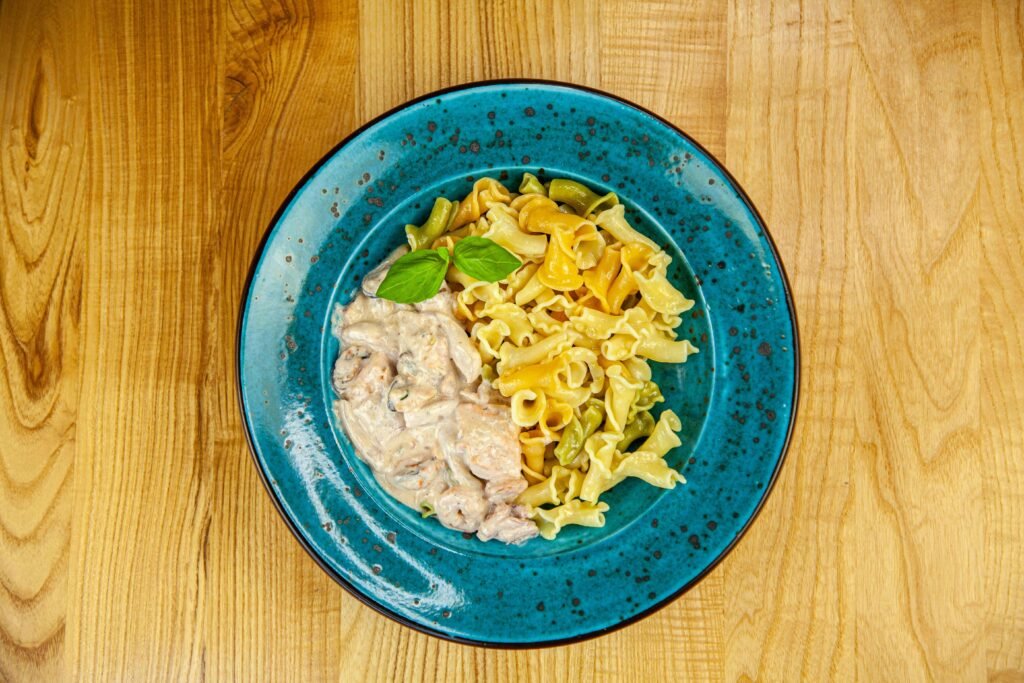
Creamy Alfredo Pasta is a classic continental dish known for its rich, smooth sauce and simple ingredients. Made with butter, garlic, cream, and Parmesan cheese, this recipe delivers a balanced, restaurant-style Alfredo that’s easy to prepare at home. Whether you’re cooking for a quick dinner or a special meal, this homemade Alfredo pasta comes together on the stovetop in under 30 minutes with reliable results every time.
This recipe focuses on correct heat control, proper cheese handling, and pasta texture to ensure the sauce stays creamy—not grainy or oily. It can be served plain or customized with chicken, mushrooms, or vegetables based on preference.
Ingredients
For the pasta
250 grams fettuccine or spaghetti
Water (for boiling)
1 tablespoon salt
For the Alfredo sauce
2 tablespoons butter
1 tablespoon olive oil
3 cloves garlic, finely minced
1 cup fresh cream (heavy cream)
½ cup milk (optional, for adjusting consistency)
½ cup grated Parmesan cheese
¼ teaspoon black pepper (freshly ground preferred)
Salt to taste
Optional add-ins
Grilled or pan-fried chicken
Mushrooms (sliced)
Broccoli or spinach
Chili flakes (optional)
Step 1: Cook the Pasta Properly
Bring a large pot of water to a rolling boil. Add salt generously—the water should taste slightly salty. This is the only chance to season the pasta from inside.
Add the pasta and cook according to package instructions until al dente. Do not overcook. Alfredo sauce is thick, and overcooked pasta will turn soft and unpleasant once mixed.
Before draining, reserve ½ cup of pasta water. Drain the pasta and set it aside. Do not rinse.
Step 2: Prepare the Base of the Sauce
Place a wide pan on medium heat. Add butter and olive oil together. The olive oil prevents the butter from burning.
Once the butter melts, add the minced garlic. Cook for 30–40 seconds only, stirring constantly. Garlic should become fragrant, not brown. Burnt garlic ruins Alfredo instantly.
Step 3: Add Cream and Build the Sauce
Lower the heat slightly and pour in the fresh cream. Stir gently and let it warm for 2–3 minutes. Do not boil aggressively.
If the cream is very thick, add a few tablespoons of milk to loosen it. The sauce should coat the back of a spoon but still flow.
Add black pepper and a small pinch of salt. Remember: Parmesan is salty, so don’t overdo it.
Step 4: Add Cheese Correctly (Critical Step)
Lower the heat to low. Add grated Parmesan cheese gradually while stirring.
Do not dump all the cheese at once. Stir continuously until it melts into the sauce. If the sauce looks too thick, add a little reserved pasta water—one tablespoon at a time.
The result should be smooth, glossy, and creamy. No lumps.
Step 5: Combine Pasta and Sauce
Add the cooked pasta directly into the sauce. Toss gently using tongs or a spoon until every strand is coated evenly.
If needed, add more pasta water to loosen the sauce. Alfredo thickens as it sits, so keep it slightly looser than your final preference.
Taste and adjust salt and pepper.
Optional Add-Ins (How to Do Them Right)
Chicken Alfredo
Season chicken with salt and pepper
Pan-fry until golden and fully cooked
Slice and add at the final stage
Mushroom Alfredo
Sauté mushrooms separately until moisture evaporates
Add before mixing pasta
Vegetable Alfredo
Lightly blanch broccoli or spinach
Add at the end to avoid sogginess
Do not overcrowd the sauce. Alfredo is rich—too many add-ins ruin the texture.
Common Mistakes to Avoid
Using processed cheese instead of Parmesan
Boiling the cream aggressively
Burning garlic
Overcooking pasta
Adding cheese on high heat (causes clumping)
Avoid these, and the recipe works every time.
Serving Suggestions
Serve immediately while hot. Alfredo sauce thickens quickly when it cools.
Garnish with:
Extra Parmesan
Fresh parsley (optional)
A light sprinkle of black pepper
Pair with garlic bread or a simple green salad.
Storage and Reheating
Alfredo pasta is best fresh, but leftovers can be stored in an airtight container in the refrigerator for up to 24 hours.
To reheat:
Use low heat on stovetop
Add a splash of milk
Stir gently until warmed
Do not microwave aggressively—it breaks the sauce.
Final Notes
This creamy Alfredo pasta recipe is designed for home kitchens, not restaurants. It uses simple ingredients, clear steps, and reliable technique. Follow the heat control, respect the cheese step, and you’ll get a smooth, restaurant-style Alfredo without overcomplicating anything.
FAQ
Can I make Alfredo pasta without heavy cream?
Yes. You can replace heavy cream with full-fat milk, but the sauce will be lighter and less rich. To maintain thickness, add a small amount of butter and extra Parmesan while keeping the heat low.
Why did my Alfredo sauce turn grainy?
Grainy Alfredo sauce usually happens when cheese is added on high heat or boiled. Always lower the heat before adding Parmesan and stir continuously until smooth.
Which pasta works best for Alfredo?
Fettuccine is the traditional choice because its flat shape holds the creamy sauce well. Spaghetti or penne also work if fettuccine isn’t available.
Can I add chicken to this recipe?
Yes. Grilled or pan-fried chicken breast works best. Cook it separately and add it to the sauce just before serving to avoid drying it out.
How do I store leftover Alfredo pasta?
Store leftovers in an airtight container in the refrigerator for up to 24 hours. Reheat gently on the stovetop with a splash of milk to restore the creamy texture.
Is Alfredo pasta vegetarian?
The basic Alfredo pasta recipe is vegetarian as long as no chicken or meat is added. Always check that the cheese used is vegetarian if that matters to you.